
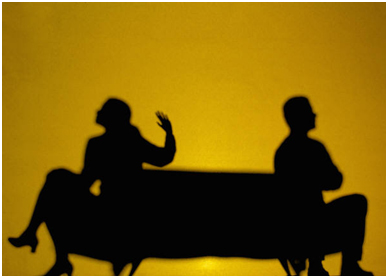
 Unhealthy relationships and marriages not only have significant negative consequences for each member of the couple, but also have a significant impact on their children. Research conducted at the University of Rochester and University of Notre Dame by Patrick Davies and colleagues concluded that when children observe hostility, anger, and stonewalling between their parents, they react with significant distress. Other research by Davies has shown that witnessing hostile and aggressive fighting between parents increases cardiac stress in children, similar to adults, and significantly increases the levels of cortisol in their body.
Interestingly, in a study conducted in 2002 at the University of Notre Dame, they found that children react similarly to verbal and nonverbal forms of expression during marital conflict. Thus, the same stress reaction for hearing their parents yell at each other, be contemptuous with each other or call each other names appears to affect children in the same way as rolling eyes, hearing an exasperated sigh, avoiding their partner, and using intimidation (e.g. pointing a finger at their partner or glaring at them, etc.)
Contrary to popular belief, children who grow up witnessing such aggression between their parents do not become accustomed to this fighting but instead become more sensitive to it. This means that the slightest hint of aggression or hostility sparks a sharp increase in cortisol levels and cardiac stress in these children.
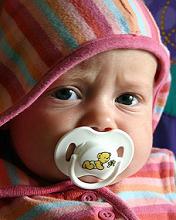 In addition, children who are exposed to chronic stress such as repeated, unresolved marital conflict exhibit symptoms that parents can see. Infants have a tendency to cry more than usual and have more feeding problems than before. Sometimes infants can have a sharp change in their sleeping patterns as well. Post-potty trained young children may regress to a loss of bowel control and may also cry more than usual.
Children may complain of repeated nightmares and also several physical symptoms without an underlying illness, such as 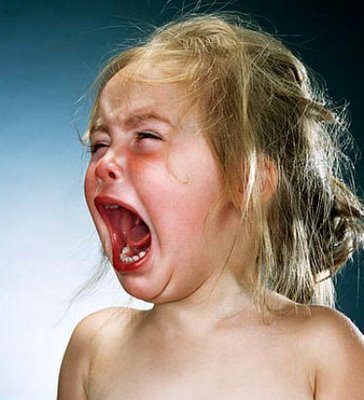 unexplained stomachaches or headaches. They may also engage in aggressive behavior such as picking fights with other children, using physical force with classmates (even if physical force is not used in the home), throwing objects, and having trouble following instructions or listening to authority. Some children may become quieter than they used to and withdraw from social interactions or even freeze in social situations. In addition, children can become depressed, express excessive worrying, throw more tantrums and/or become obsessively interested in routines, objects, food, and anticipation of “what comes next”, etc.
On top of all of this, children witnessing unhealthy communication patterns between their parents grow up with a misunderstanding of what a healthy relationship looks like. They are very likely to repeat the same mistakes they grew up watching in their own adult relationships and continue the pattern of teaching their children unhealthy communication styles as well. An increase in self-awareness can help stop this cycle.
While marital conflict is a normal and healthy part of a relationship, when the conflict becomes aggressive or hostile both adults and children in the family hurt from it. This does not mean however that all marital conflict must be hidden. Witnessing marital conflict that is resolved with respect, warmth and empathy has shown to have a very positive effect on children learning how to manage stress in a healthy way and teaching them how to resolve conflict in a healthy manner.
We would love to hear your response to this article! Please feel free to leave a comment.